




Yokai Art- Night Parade of One Hundred Demons

Yokai Art- Night Parade Of One Hundred Demons May 2026

Yokai Art- Night Parade of One Hundred Demons
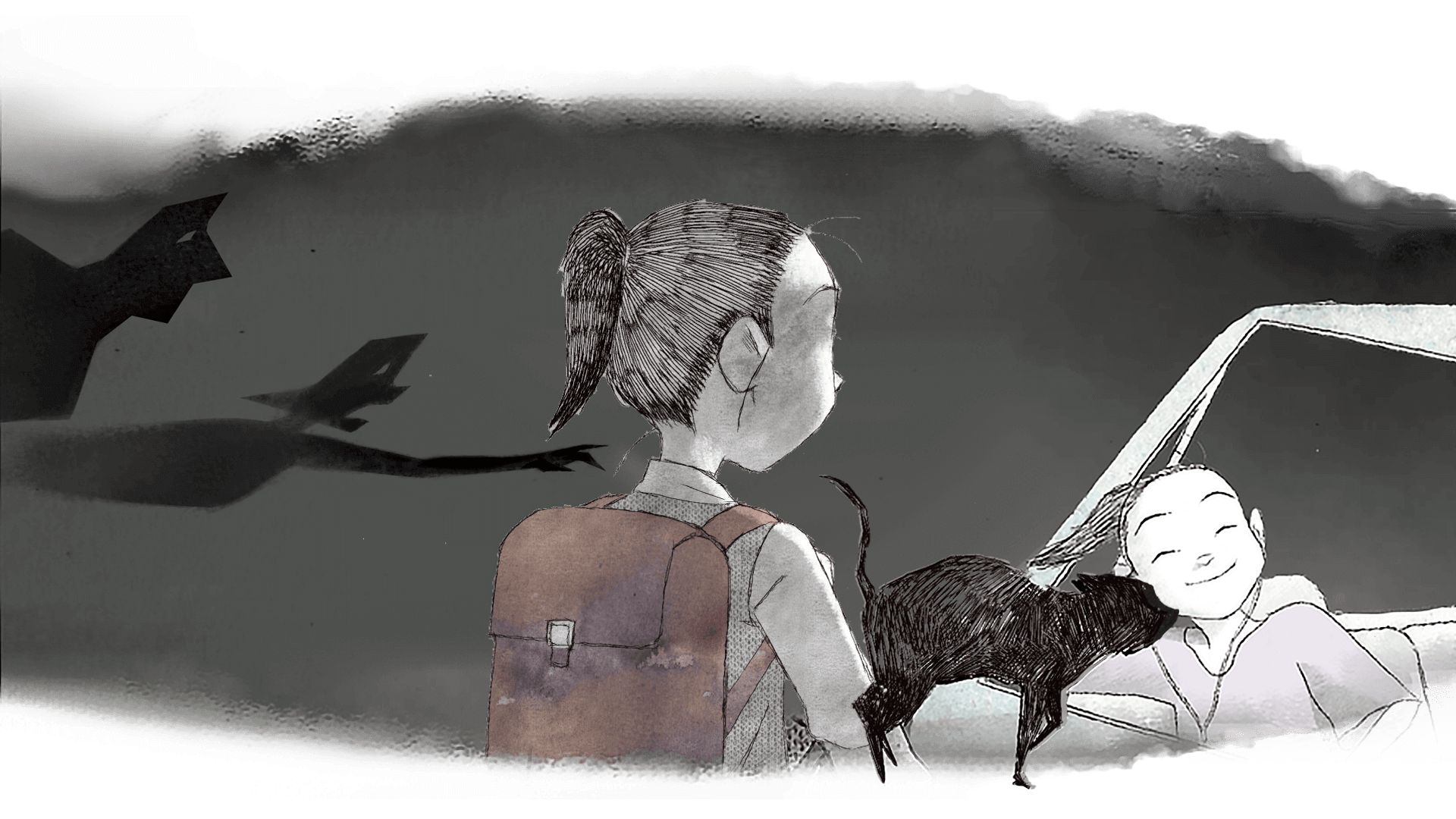
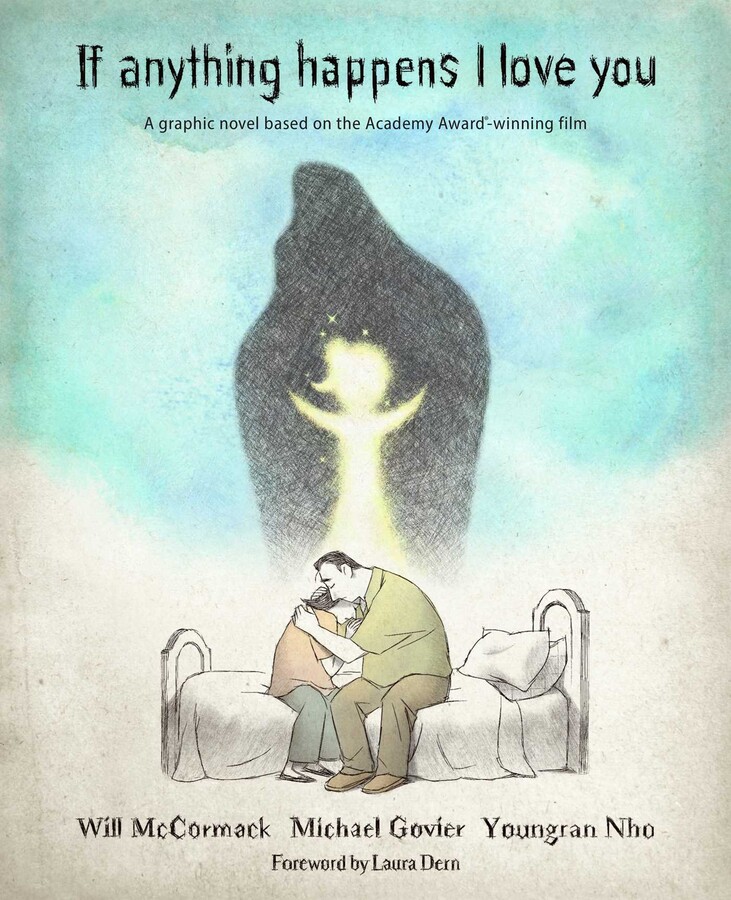
Academy Award Winner Best Animated Short Film

Now a graphic novel.Purchase here

Graphic novel cover

"Heavy pain exquisitely rendered."
—Kirkus Starred Review

Watch now on
Netflix

A moving experience for all those lost
and those left behind.

Yokai Art- Night Parade of One Hundred Demons
Current Time 0:00
/
Duration Time 1:17
Loaded: 0%
Progress: 0.00%
Yokai Art- Night Parade of One Hundred Demons

Yokai Art- Night Parade of One Hundred Demons Press

Yokai Art- Night Parade of One Hundred Demons

Yokai Art- Night Parade Of One Hundred Demons May 2026

In a world that pressures us to be productive, polished, and predictable, yokai art offers liberation. The one-legged umbrella laughs at your two legs. The long-necked woman sees over your high walls. The wall yokai blocks your frantic path.

To look at Sekien’s Hyakki Yagyo is to hear the faint sound of clattering hooves, snapping paper, and wooden clogs in the distance. It is the sound of the world waking up when you are asleep. You do not need to run. Yokai Art- Night Parade of One Hundred Demons

But the Night Parade is not merely a horror story. It is a complex cultural mirror—a blend of ancient animism, political satire, and artistic innovation. This article explores the history, major artworks, and enduring legacy of Japan’s most famous supernatural procession. Before diving into the art, we must understand the lore. The term Hyakki Yagyo (百鬼夜行) literally means "Night Parade of One Hundred Demons." The concept originated in medieval Japan, drawn from Chinese yin-yang philosophy. It was believed that in the doyo (the 18 days before the change of a season), vengeful spirits and discarded objects that had gained souls ( tsukumogami ) would roam freely after dark. In a world that pressures us to be

For artists, this vast, chaotic army of yokai presented an irresistible challenge: How do you paint the invisible? How do you catalogue chaos? If you search for "Yokai Art" today, you will inevitably land on the works of Toriyama Sekien . An ukiyo-e artist and scholar, Sekien did not invent yokai, but he defined their visual vocabulary. In the late 18th century, he published a series of bestiaries: the Gazu Hyakki Yagyo (The Illustrated Night Parade of One Hundred Demons). The wall yokai blocks your frantic path

In the quiet, ink-black hours of Japan’s pre-industrial past, a eerie ritual was observed. When the wind carried the scent of damp earth and the lanterns flickered out, families would huddle inside their homes, whispering a single phrase into the darkness: Hyakki Yagyo .

Translated as the "Night Parade of One Hundred Demons," this legendary event is the cornerstone of . For centuries, artists have visualized the terrifying moment when the boundary between our world and the spirit world dissolves, and a chaotic procession of oni (ogres), kasa-obake (umbrella ghosts), and noppera-bo (faceless humans) marches through the streets.

Just don't look them in the eye. *If you enjoyed this deep dive into Yokai Art, explore our gallery of high-resolution *Hyakki Yagyo woodblock prints, or sign up for our newsletter on Japanese supernatural aesthetics.
Yokai Art- Night Parade of One Hundred Demons

In a world that pressures us to be productive, polished, and predictable, yokai art offers liberation. The one-legged umbrella laughs at your two legs. The long-necked woman sees over your high walls. The wall yokai blocks your frantic path.

To look at Sekien’s Hyakki Yagyo is to hear the faint sound of clattering hooves, snapping paper, and wooden clogs in the distance. It is the sound of the world waking up when you are asleep. You do not need to run.

But the Night Parade is not merely a horror story. It is a complex cultural mirror—a blend of ancient animism, political satire, and artistic innovation. This article explores the history, major artworks, and enduring legacy of Japan’s most famous supernatural procession. Before diving into the art, we must understand the lore. The term Hyakki Yagyo (百鬼夜行) literally means "Night Parade of One Hundred Demons." The concept originated in medieval Japan, drawn from Chinese yin-yang philosophy. It was believed that in the doyo (the 18 days before the change of a season), vengeful spirits and discarded objects that had gained souls ( tsukumogami ) would roam freely after dark.

For artists, this vast, chaotic army of yokai presented an irresistible challenge: How do you paint the invisible? How do you catalogue chaos? If you search for "Yokai Art" today, you will inevitably land on the works of Toriyama Sekien . An ukiyo-e artist and scholar, Sekien did not invent yokai, but he defined their visual vocabulary. In the late 18th century, he published a series of bestiaries: the Gazu Hyakki Yagyo (The Illustrated Night Parade of One Hundred Demons).

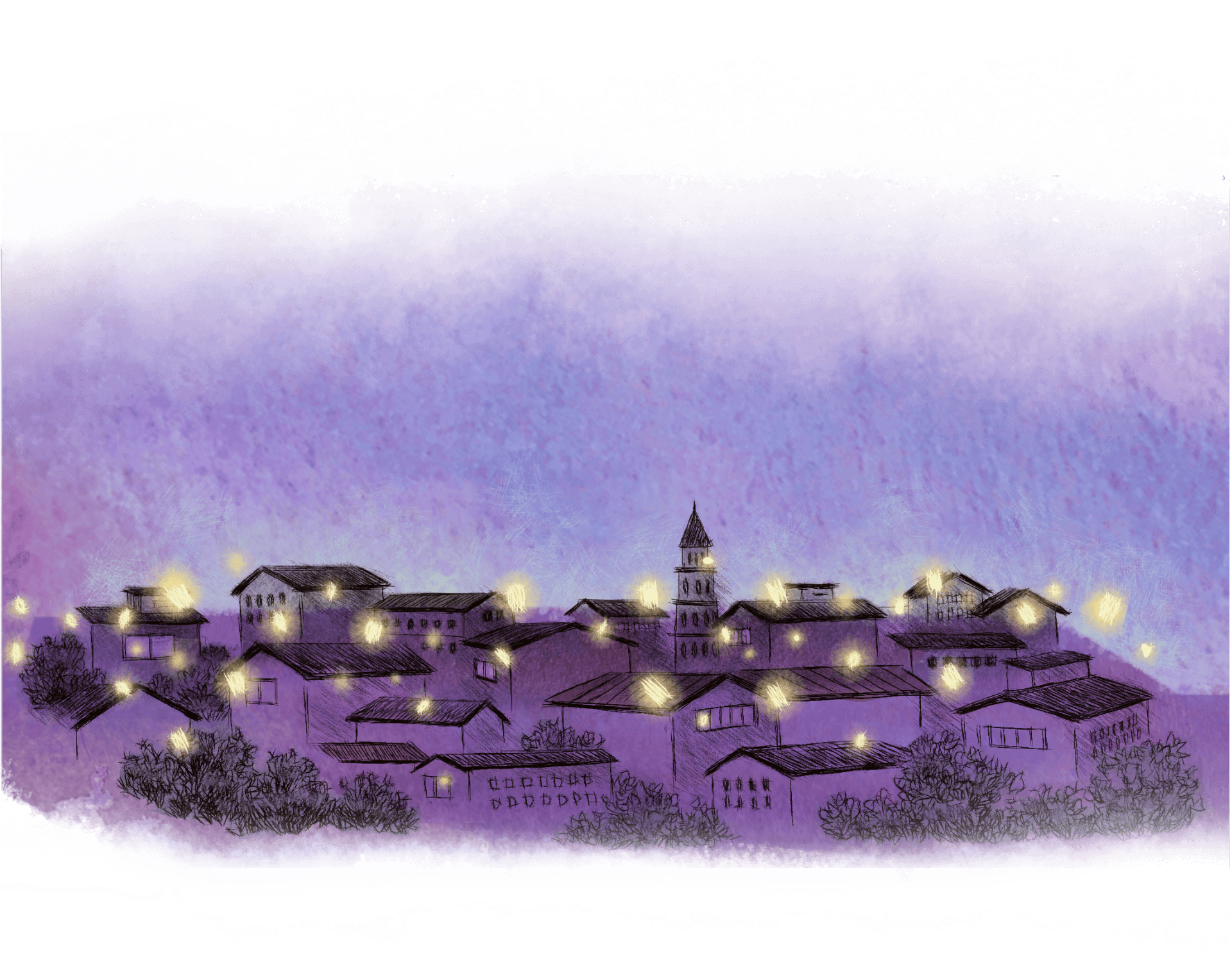
In the quiet, ink-black hours of Japan’s pre-industrial past, a eerie ritual was observed. When the wind carried the scent of damp earth and the lanterns flickered out, families would huddle inside their homes, whispering a single phrase into the darkness: Hyakki Yagyo .

Translated as the "Night Parade of One Hundred Demons," this legendary event is the cornerstone of . For centuries, artists have visualized the terrifying moment when the boundary between our world and the spirit world dissolves, and a chaotic procession of oni (ogres), kasa-obake (umbrella ghosts), and noppera-bo (faceless humans) marches through the streets.

Just don't look them in the eye. *If you enjoyed this deep dive into Yokai Art, explore our gallery of high-resolution *Hyakki Yagyo woodblock prints, or sign up for our newsletter on Japanese supernatural aesthetics.

Yokai Art- Night Parade of One Hundred Demons
InstagramTwitterFacebook

Follow @IfAnything_Film

Yokai Art- Night Parade of One Hundred Demons   For press inquiries, please contact [email protected]

Yokai Art- Night Parade of One Hundred Demons
Copyright © 2020 Oh Good Productions