uiexperiments-nopaddingYour PC, simplifiedA journey of discovery and developmentWindows 7 and Vista transformation pack for Windows 10 and 11Windows 7, Vista, and XP transformation tool for Windows 8, 8.1, 10 and 11Automated tool to upgrade or downgrade to Windows 10 LTSC 2021 without losing files, settings, programs, or driversThis project is still under development. Please check back later.SubWebView, Clean Flash Player, Java, and PassIMoonuiexperiments-page-compactInstall official updates on Windows 7 or Vista based OSs after EOLEnable Remote Desktop on any edition of Windows, with support for tunnels and concurrent sessions.Enable Remote Desktop on any edition of WindowsThis page is not yet complete. Please check back later.This page is not yet complete. Please check back later.This page is not yet complete. Please check back later.Your donation will help support the development of Revert8PlusYour donation will help support the development of Revert8PlusYour donation will help support the development of Revert8PlusYour donation will help support the development of Revert8PlusYour donation will help support the development of Revert8Plusuiexperiments-page-compactuiexperiments-page-compact
View web pages via CEF or IE inside another browser
SubWebView allows you to run the Chromium or Internet Explorer engines inside of Pale Moon.
This can be useful if you need to visit a site that does not function or perform as expected when using Pale Moon normally.
The china-specific Adobe Flash Player (with security updates from adobe still in 2025!), patched to remove region locks and adware
Clean Flash Player is a distribution of Adobe Flash Player, with the mission of keeping the original Flash Player alive for compatibility and ease of use.
The original Flash Player was discontinued on January 12th, 2021. Adobe is committed to keeping Flash Player alive in the Chinese region, however, by providing official monthly updates to Flash Player in China.
Clean Flash Player uses a modified version of this updated Flash Player version, keeping Flash Player clean from adware.
Java 8 Update 152, as a portable extension
Java is a pain to get running these days. Finding a version that doesn't crash is hard enough, but getting round all the security prompts to run a Java Applet quickly becomes annoying.
Below is a copy of Java 8 Update 152, with the following changes:
Converted into an extension for UXP-based browsers (Pale Moon, Eclipse Lun3r, etc)
Replaced all the security prompts with a single one - containing all the info about what applet will run
Restored support for JavaFX and Windows XP
A fork of PassIFox with OTP support.
KeePass login manager storage and integration using the KeePassHttp plugin.
Advanced string fields must be enabled in KeePassHTTP's options for OTP support to work.
Improve the performance and user interface of your PC, with these software solutions. Tech Stuff develops a range of tools to help transform your current system, enabling more customisation and control over the set up of your PC. From installing updates on older systems and upgrading your OS, to restoring popular features and functions which have officially disappeared, you can configure your system to match your individual requirements.
Hi, and welcome to my site. I’m Tech Stuff, the creator of Revert8Plus!
As a programmer and software developer, I’m always looking to develop tools to improve and simplify things, especially when these can be useful to others.
Whilst the projects on this site cover all eras, there is greater focus on older systems, which I feel are generally more enjoyable to use, with their simple looking and better functioning designs.
Take a look at the left panel to navigate your way around this site!
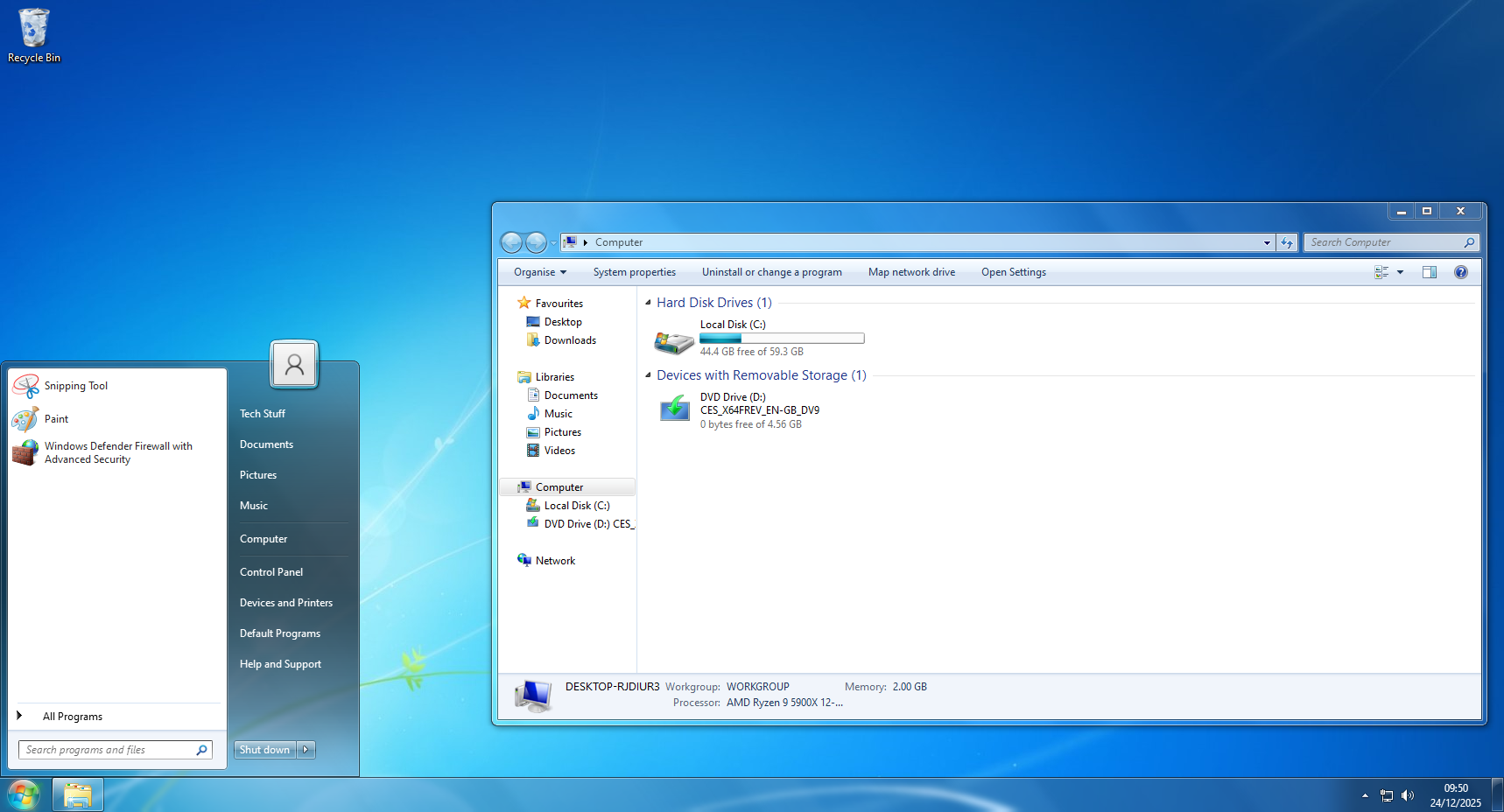
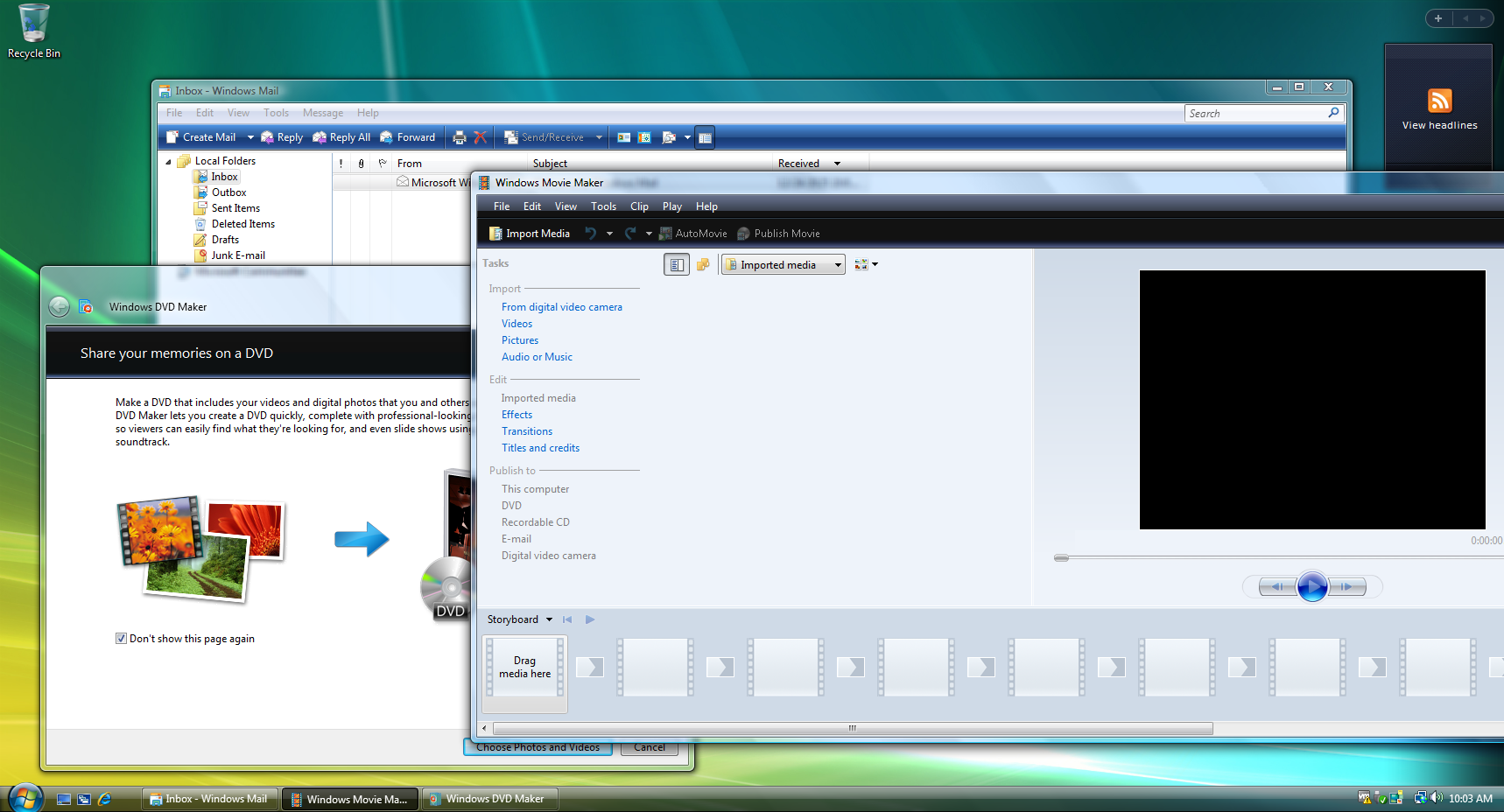
Revert8Plus is a fully automated and customisable transformation pack for users of Windows 10 or 11. It enables you to transform the look of your PC into Windows 7, in just five clicks of your mouse. It was first released in February 2024, with the current version, v4, having been released in January 2025.
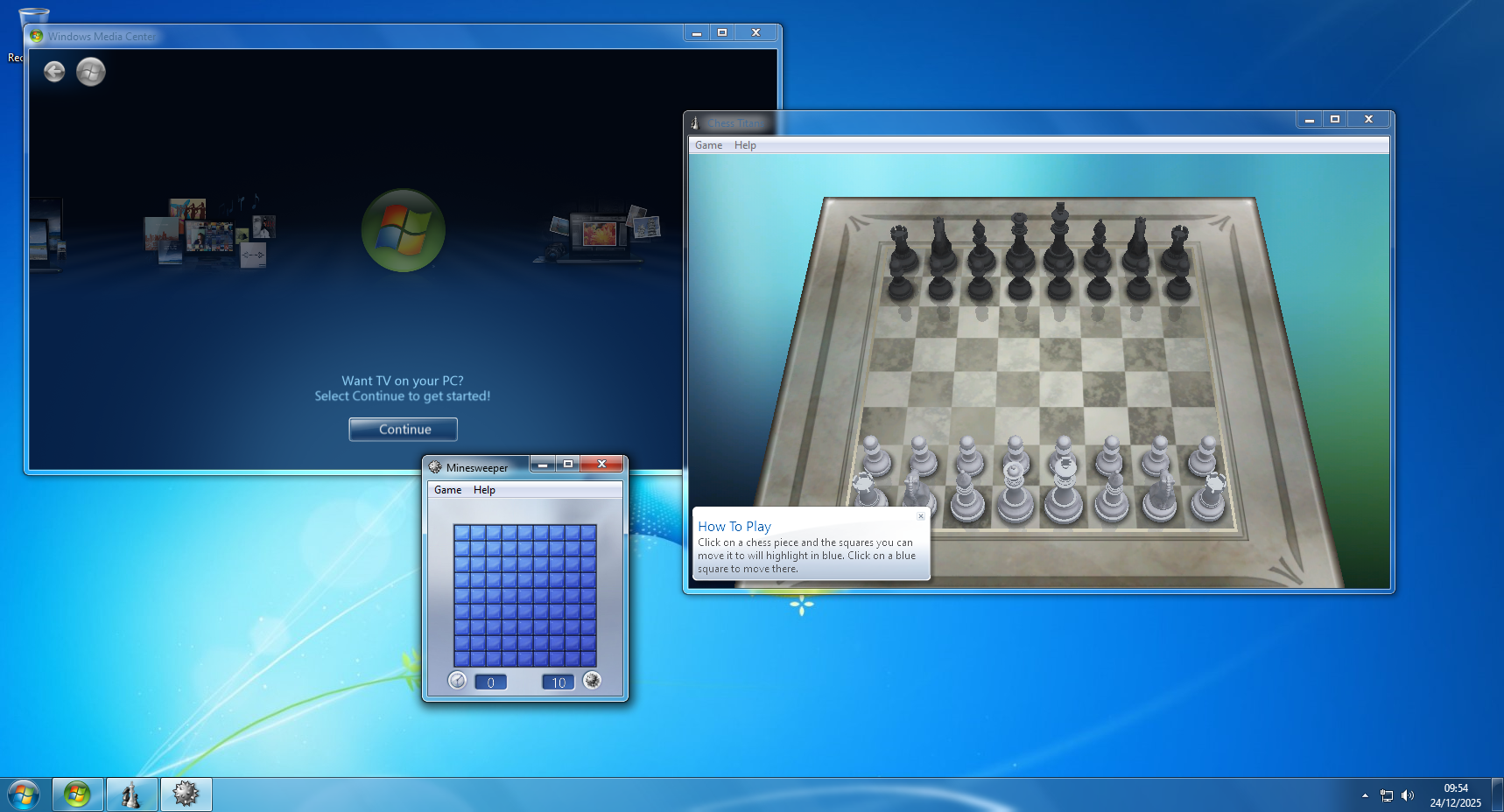
The transformation pack restores many of the features you might now miss, including aero glass, start menu, control panel, and Windows Media Center. It works with all versions of Windows 10 and 11, up to 24H2. As most features do not require system file modifications, Windows updates can still be installed without issue. If you install it and for any reason change your mind, the transformation pack can be quickly and simply uninstalled from control panel.
The main features that Revert8Plus v4 restores to their W7 versions are as follows: Start Menu, taskbar, File Explorer, standard controls, aero glass, tray menus, alt-tab, basic and classic theme, Control panel, UWP titlebars, login screen, context menus, file copy dialog, message boxes, aero peek, and UAC.
720p
Maybe you have acquired a new computer, only to discover Windows 11 is not your preferred operating system. Or perhaps you switched from Windows 10 to the newer Windows 11, and have past the rollback period. Either way, you have arrived at the same place: you now have Windows 11 but wish you had Windows 10!
Whilst using Windows 11 for a while, you discovered that much of the negative feedback thrown at this modern operating system is, unfortunately, correct! Finding it slow, buggy and unstable, and continuously trying to steal your data, you concede it is indeed a terrible operating system. You now realise that Windows 10, being considerably faster, more stable and less buggy, was definitely not too bad after all. In addition, you ascertain that if you stick with Windows 11, you will never get quite the accuracy that can be achieved with Windows 10, when you install the increasingly popular transformation pack Revert8Plus.
It is widely accepted that there are only two options for reverting from Windows 11 to Windows 10: either rollback if you are still within the short time frame of ten days, or a clean install, which means all your programs, files, settings and drivers would be erased. Yet, what if neither option is suitable? Fortunately, there is a third option: UpDownTool.
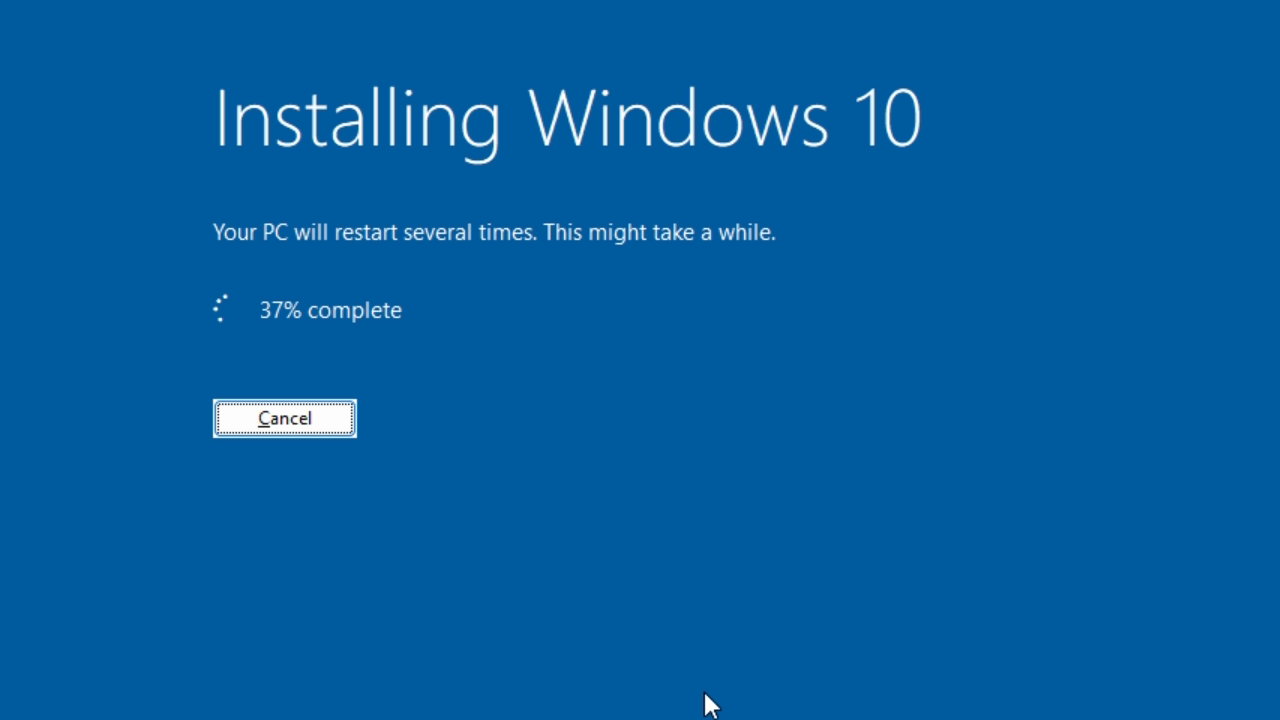
UpDownTool can be used if you have installed Windows 11 and are past the rollback period, or if you never had Windows 10 in the first place. This tool, as well as upgrading your operating system from Windows 11 to Windows 10 LTSC, has several other purposes. It lets you upgrade to Windows 10 LTSC 2021, from any version and edition of Windows 10. It also allows you to move directly from Windows 7 or 8.1 to Windows 10 LTSC 2021. If you already have Windows 10 LTSC 2021, you can run this tool to repair your OS. In addition, if you are already on Windows 10 22H2, using this tool will remove the bloatware and enable you to receive official support until 2032.
Upgrading to Windows 10 with this tool will not cause loss of programs, files, settings or drivers. All the standard Windows’ bloatware will not be installed, so your system will perform better, and there will be no silly pop-ups telling you to get rid of Windows 10 and move to Windows 11. In addition, you will receive Microsoft’s official updates for Windows 10 LTSC until 2032. Finally, by avoiding the many bugs Microsoft has added in Windows 11, Revert8Plus will work better and be closer to what you expect.
For a tutorial on how to upgrade from Windows 11 to Windows 10 LTSC 2021, watch the video on UpDownTool.
Here is an alternative tool for switching from Windows 11 to Windows 10, for those of you who wish to stay on the same edition, rather than switch to LTSC. It is also a fully automated process.
Whereas the original version of UpDownTool lets you switch from different versions and editions of Windows, to Windows 10 LTSC 2021, this new tool lets you switch from different editions of Windows 11 to the equivalent edition of Windows 10. So, if you are currently using Windows 11 Home, this tool lets you have Windows 10 Home, and if you are currently on Windows 11 Pro, this tool gives you Windows 10 Pro. Once you have moved to either Windows 10 Home or Windows 10 Pro, you will receive Microsoft’s official support until 2028.
This switching tool covers most editions of Windows 11, but if you wish to move to Windows 10 LTSC, then you need to run the original UpDownTool. As with the original UpDownTool, this new tool will not cause you to lose your programs, files, settings or drivers.
Does this impact performance?
On Windows 10, it usually has very little impact, whilst on Windows 11, it generally improves performance.
What versions of Windows does this support?
Windows 10 versions 1607, 1703, 1709, 1803, 1809, 1903, 1909, 20H1, 20H2, 21H1, 21H2, and 22H2. Windows 11 versions 21H2, 22H2, 23H2, and 24H2. Update: Microsoft has broken Revert8Plus on Windows 11 23H2 and 24H2 in a Windows Update. Update 2: Microsoft has broken Revert8Plus on Windows 10 21H2 and 22H2 in the Dec 2025 Windows Update. Revert8Plus v5 will correct these issues. Check back soon for more info.
How can I uninstall Revert8Plus?
Go to Control Panel > Programs and features > Uninstall a program
Can I use Windows Update with Revert8Plus?
Yes! You can safely update Windows without breaking Revert8Plus. You don't need to uninstall it beforehand.
ChatDot now has a dark theme, among numerous other customisation options.
Numerous improvements have been made to ChatDot, including a settings manager, and partial support for servers spots
ChatDot's desktop client can now process logins successfully.
Got the login dialog for ChatDot's desktop client working.
Building a Windows desktop client for ChatDot.
Messages now wrap correctly on ChatDot.
Added Flying Windows to the site homepage.
Trying to figure out why symbol hooks end up causing a stack overflow.
Symbol downloading now mostly works in r8pv5. Turns out it was crashing because the input strings aren't null terminated.
Fixed path case sensitivity in r8pv5. This is rather an edge-case bug, but for some reason my development VM has System32 capitalised incorrectly, making it very obvious.
Making more progress on r8pv5 now that I've finally figured out how to get a debugger to work with it.
Please note that when making a transfer, you may receive a message informing you the account name is incorrect. This notice can be safely ignored, and the payment will correctly reach me!
If your bank charges high fees for international transfers, you may find Remitly works better. Make sure to use the UK (GBP) account details with them.
IBAN: GB53LOYD30643784676068
BIC: LOYDGB21668
Name: Tech Stuff
On donation, the watermark will be removed.
If you have previously donated, no need to donate again. Click on the balloon, then follow the instructions to obtain your key.
Thank you for your support!
Revert8Plus is a fully automated and customisable transformation tool for users of Windows 8 and above. It enables you to simply and quickly transform the look of your PC into Windows 7. It was first released in February 2024, with the most recent version, v5, released on 8th January 2026.
This tool restores many of the features you might now miss, including Aero glass, Start Menu, Control panel, and Windows Media Center. It works with all versions of Windows 8, 8.1, 10 and 11. No system file modifications will be made by v5, so Windows updates can be installed without issue. If you install this software and then change your mind, it can be easily uninstalled from control panel.
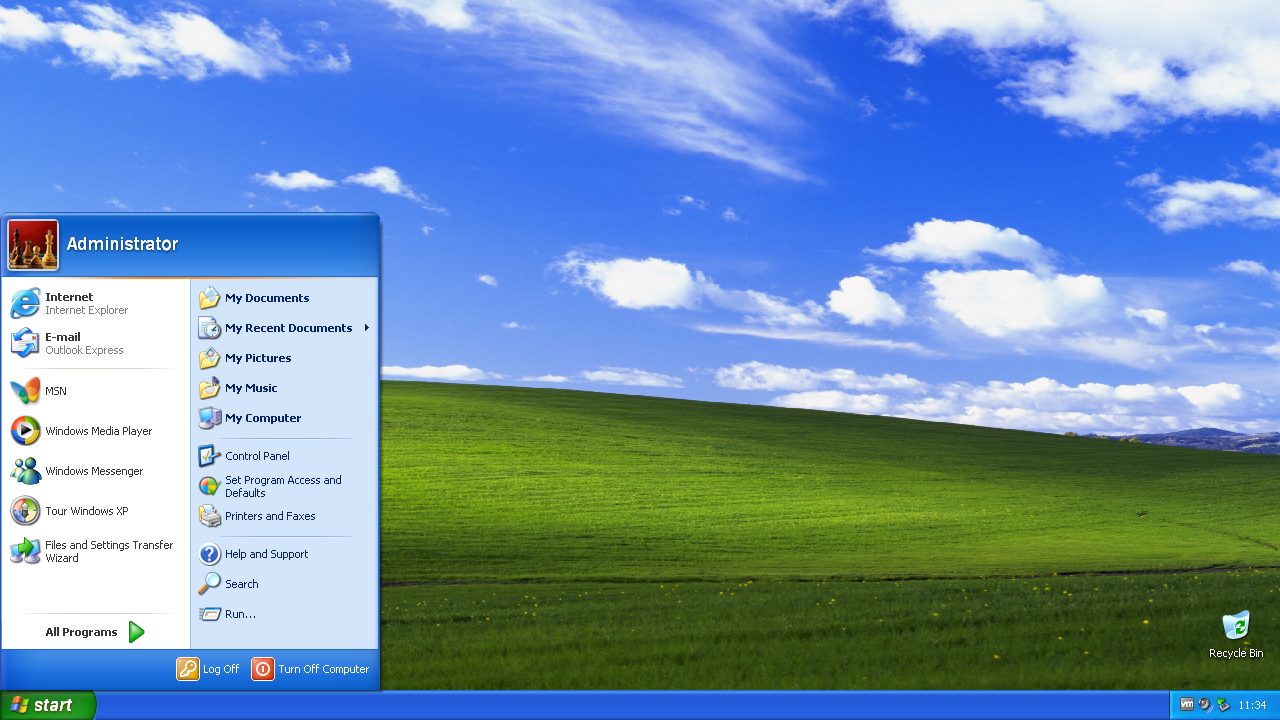
The main features that Revert8Plus restores to their W7 versions are as follows: Start Menu, taskbar, File Explorer, standard controls, Aero glass, tray menus, alt-tab, basic and classic theme, Control panel, UWP titlebars, login screen, context menus, file copy dialog, message boxes, Aero peek, and UAC.
Revert8Plus v5 is greatly improved over previous versions. The program is now fully integrated and no longer depends on any third party utilities, so has better performance and greater compatibility with other modification tools. Aero glass now runs much faster. The login screen has been majorly improved since v4, and now loads reliably and brings fewer issues. Also, the Start Menu and taskbar can now be configured.
A Windows 7 theme will initially be applied by default, whilst other preset themes can be selected after v5 has been installed. Preset themes include Architecture, Characters, Landscapes, Nature, Scenes, Windows 7 Basic, Windows 7 Classic, Vista, Vista Basic, Vista Classic, XP and XP Classic. Alternatively, should you wish to install a Windows 7 regional theme, these will be available to download from the website. You can also now make custom themes using the extensions to the Windows theme format provided by Revert8Plus.
Does this impact performance?
On Windows 8, 8.1, and 10, it usually has very little impact, whilst on Windows 11, it generally improves performance.
What versions of Windows does this support?
Windows 8 and 8.1 Windows 10 versions 1507, 1511, 1607, 1703, 1709, 1803, 1809, 1903, 1909, 20H1, 20H2, 21H1, 21H2, and 22H2. Windows 11 versions 21H2, 22H2, 23H2, 24H2, and 25H2.
How can I uninstall Revert8Plus?
Go to Control Panel > Programs and features > Uninstall a program
Can I use Windows Update with Revert8Plus?
Yes! You can safely update Windows without breaking Revert8Plus. You don't need to uninstall it beforehand.
This Windows 7 unofficial Service Pack 3 is for those who are still using Windows 7 and want Microsoft's official security updates for Windows 7 based operating systems. Installing this SP3 enables these security updates to be installed on Windows 7, providing continued support until 2026.
Update: now obsolete, replaced by UpdatePack7R2 (link below).
If you're still using Windows Vista, you might have concerns about security updates, which were officially stopped in 2017. Microsoft does, however, still make official updates for Windows Vista based operating systems. This Windows Vista unofficial Service Pack 3 allows these updates to be installed on Windows Vista, to keep your PC secure until 2026.
Update: now obsolete. An alternative will be added in future. The original Vista SP3 is still available below.
Remote Desktop can be useful if you need to access one of your devices from a remote location, to assist someone in fixing a computer problem, or access an app from another device. This RDP Configurator enables you to easily set up remote desktop on any edition of Windows, with support for tunnels and concurrent sessions. It works on all editions of Windows 7, 8, 8.1, 10 and 11. Once downloaded, guidance for setting it up can be found in the video below.
The Tech Stuff journey began with an avid interest in older style games and operating systems, which offered so much more than their newer variants. From this enthusiasm for older style tech, came the realisation that, just because something was shiny and new, extensively marketed and theoretically popular, didn’t necessarily mean it was better.
Flash games, which achieved peak popularity during the 2000s, were simple yet exciting, very accessible, quick to pick up and put down, and brought an explosion of creativity and innovation from budding independent developers. In contrast, HTML5 games came with large download sizes, and were typically slow, buggy, and complicated.
A similar pattern was emerging with operating systems, with newer versions clearly not focusing on the interests of typical users. Whilst older OSs like Windows 7 were simple and clean, visually appealing and came without tracking, Microsoft’s more recent offerings had become unnecessarily complex, and included unwelcome tracking and preinstalled bloatware, insisting on the setting up of a Microsoft account to hold personal data.
Aware of the downsides to these modern technology trends, a new pathway emerged, which involved looking at how the superior yet older computer games, functions and interfaces could be restored. This laid the foundation for a programmer and software developer now inspired to create tools to improve and simplify things.
So began the next stage of the journey, developing tools which restored these older, more functional designs. One of the earlier projects was to restore internet explorer and flash player on Windows 11, with subsequent projects including ‘upgrading’ from Windows 11 to 10, getting security updates for Windows 7 after the official end of support, and the automated, customisable transformation pack, Revert8Plus.
At the moment, there are several new projects being developed, alongside continued work on Revert8Plus, with many more innovative tools planned for the near future. The project news section on the home page details the latest updates and improvements to these, so check back regularly to keep up to date! The YouTube videos, which demonstrate these projects as they are released, are typically premiered, so if you want interesting and helpful ways to simplify and enhance your PC, then do subscribe to the channel. Finally, if you cannot find what you are looking for on the website or YouTube channel, then just get in touch.
Revert8Plus happened by chance, beginning with the creation of a script to install programs and configure settings. This script saved time, when frequently having to reinstall Windows. After lots of customisation tweaks, it appeared that the computer was looking increasingly like Windows 7, which was brilliant!
With further tweaks, the script continued to be updated, resulting in the emergence of a Windows 7 transformation pack. At the time, aware of no similar tool that could automate the process of making a computer look like Windows 7, the obvious next step was to publish the project, and so Revert8Plus was born!
Since its initial release in February 2024, Revert8Plus has been completely re-written from the ground up, with each subsequent version seeing significant improvements. It has been simplified and has enhanced performance, along with having many more features and being more customisable.
As ever, there are always more improvements being discovered, so Revert8Plus will continue to be developed for the foreseeable future.
Wicked Devil May 2026
This privacy notice tells you what we do with your information.
Contact details
Email:
Data we collect, use, and why
We collect or use the following information for research or archiving purposes:
Website usage statistics, including but not limited to:
Number of users visiting the site
Average number of pages visited on the site per user
Number of downloads of files from the site
Collection of personal information
No. Your personal information is never collected or stored.
Permission is hereby granted, free of charge, the rights to access the website teknixstuff.com (the 'Website') and any functionality, software, website designs, audio, video, text, photographs and graphics in the Website (collectively, the 'Content'), and to download or print a copy of any portion of the Content, solely for your personal non-commercial use, or internal business purpose.
THE WEBSITE AND CONTENT IS PROVIDED “AS IS”, WITHOUT WARRANTY OF ANY KIND, EXPRESS OR IMPLIED, INCLUDING BUT NOT LIMITED TO THE WARRANTIES OF MERCHANTABILITY, FITNESS FOR A PARTICULAR PURPOSE AND NONINFRINGEMENT. IN NO EVENT SHALL THE AUTHORS OR COPYRIGHT HOLDERS BE LIABLE FOR ANY CLAIM, DAMAGES OR OTHER LIABILITY, WHETHER IN AN ACTION OF CONTRACT, TORT OR OTHERWISE, ARISING FROM, OUT OF OR IN CONNECTION WITH THE WEBSITE OR CONTENT, OR THE USE OF OR OTHER DEALINGS IN THE WEBSITE OR CONTENT.
Philosophically, the Wicked Devil raises questions about the nature of morality, free will, and the human condition. If the devil is seen as a symbol of temptation and evil, then what does this say about human nature and our capacity for moral agency?
The Wicked Devil, as a symbol of evil and temptation, has captivated human imagination for centuries. From its origins in ancient mythologies to its modern representations in popular culture, the Wicked Devil continues to fascinate and intrigue us. Wicked Devil
Throughout human history, the concept of evil has been a recurring theme, captivating the imagination of people across cultures and civilizations. One of the most enduring and fascinating representations of evil is the Wicked Devil, a figure that has evolved over time, reflecting the fears, anxieties, and superstitions of various societies. In this article, we will embark on a journey to explore the mystique of the Wicked Devil, tracing its origins, evolution, and significance in different contexts. Philosophically, the Wicked Devil raises questions about the
Through its evolution, the Wicked Devil has served as a reflection of human fears, anxieties, and superstitions, providing a lens through which to examine our internal struggles and external challenges. As a symbol, it invites us to confront our darker impulses and desires, raising important psychological and philosophical questions about human nature and morality. From its origins in ancient mythologies to its
From a psychological perspective, the Wicked Devil can be seen as a representation of the shadow archetype, a concept introduced by Carl Jung. The shadow refers to the repressed or hidden aspects of the personality, which can manifest as evil or destructive tendencies.
The Wicked Devil raises important psychological and philosophical questions about human nature, morality, and the human condition. The concept of evil, as embodied by the Wicked Devil, challenges individuals to confront their own darker impulses and desires.
Philosophically, the Wicked Devil raises questions about the nature of morality, free will, and the human condition. If the devil is seen as a symbol of temptation and evil, then what does this say about human nature and our capacity for moral agency?
The Wicked Devil, as a symbol of evil and temptation, has captivated human imagination for centuries. From its origins in ancient mythologies to its modern representations in popular culture, the Wicked Devil continues to fascinate and intrigue us.
Throughout human history, the concept of evil has been a recurring theme, captivating the imagination of people across cultures and civilizations. One of the most enduring and fascinating representations of evil is the Wicked Devil, a figure that has evolved over time, reflecting the fears, anxieties, and superstitions of various societies. In this article, we will embark on a journey to explore the mystique of the Wicked Devil, tracing its origins, evolution, and significance in different contexts.
Through its evolution, the Wicked Devil has served as a reflection of human fears, anxieties, and superstitions, providing a lens through which to examine our internal struggles and external challenges. As a symbol, it invites us to confront our darker impulses and desires, raising important psychological and philosophical questions about human nature and morality.
From a psychological perspective, the Wicked Devil can be seen as a representation of the shadow archetype, a concept introduced by Carl Jung. The shadow refers to the repressed or hidden aspects of the personality, which can manifest as evil or destructive tendencies.
The Wicked Devil raises important psychological and philosophical questions about human nature, morality, and the human condition. The concept of evil, as embodied by the Wicked Devil, challenges individuals to confront their own darker impulses and desires.