Sending a follow-up email just after the first one was opened increases your reply rate by 80%.
Add the famous read receipt in your Gmail
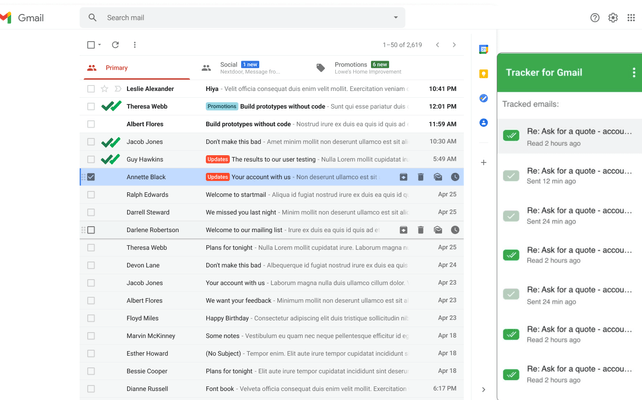
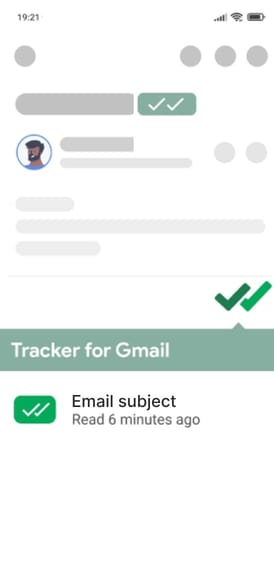

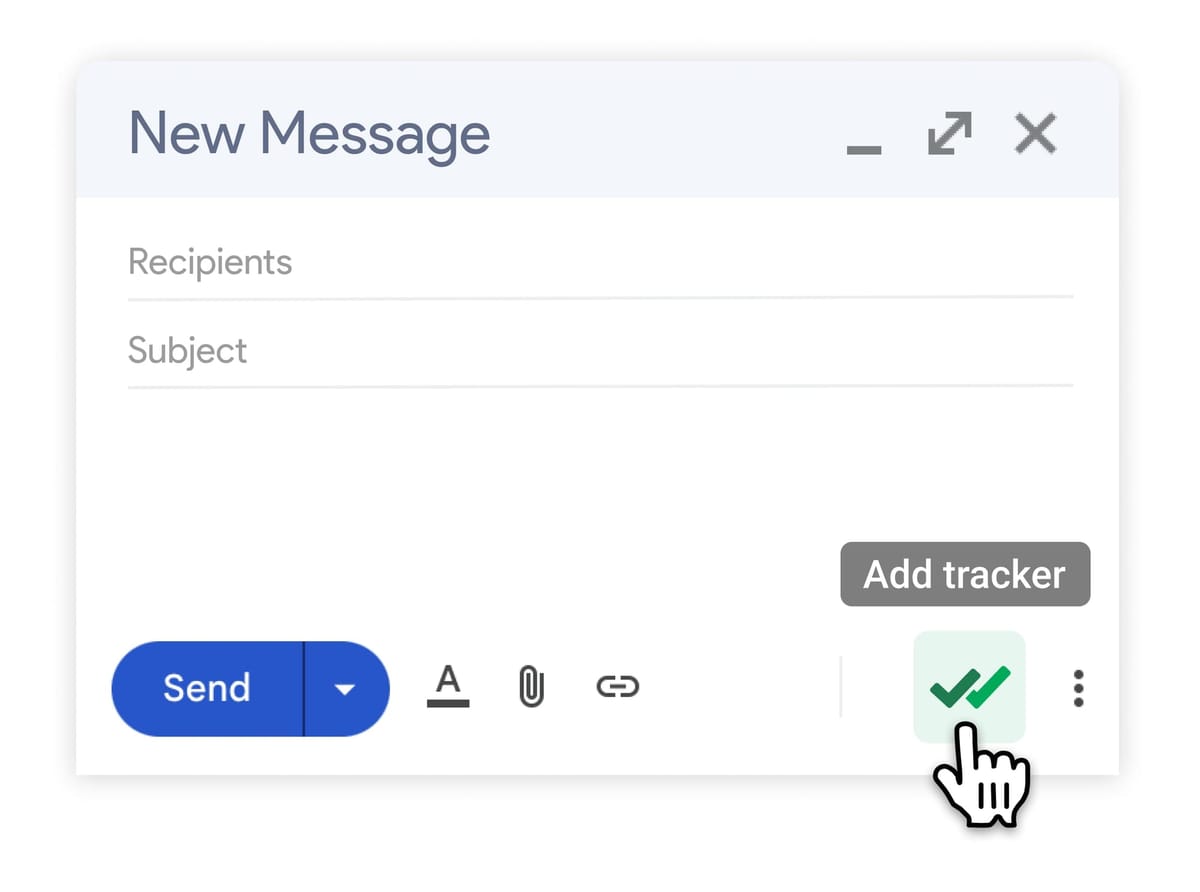


Receive an instant notification as soon as your email is opened
For each tracked email, get a list of all the time it was opened
Your privacy matters: we can’t read your emails. Learn more:
https://mailtrack.email/security
Companies and organizations from all over the world trust Mail Track for Gmail









See what your clients say about us
A cut above the rest of the email tracker for gmail software available. Super easy to use and a generous free plan. Plus, importantly, it doesn't request permission to read my emails.
One of the best email tracking to know when our important emails are opened.
Always know what you will pay
| Free | Premium | |
|---|---|---|
| $0$0 | $2.99$5.99 | |
| / month/ month | / user / month/ user / month | |
| Tracked emails per day | Unlimited | Unlimited |
| Track from mobile | ||
| Mail notifications | ||
| Remove Mail Track Branding | ||
| Real time notifications | ||
| Team Plan | ||
| Get startedGet started | Get startedGet started |
The full sentence is grammatically loose – typical of casual speech. 1. Summer Vacation at Grandma’s House “Shinseki no ko to otomari dakara de, na na? Don’t stay up too late playing games.” 2. First-Time Sleepover with a Younger Cousin “You’re older. Take care of them – shinseki no ko to otomari dakara de na na .” 3. A Parent Explaining Rules to a Child Before Leaving “No fighting. Watch your manners. Dakara de, na na? ” The phrase isn’t famous in textbooks – but it’s instantly recognizable to native speakers as something a mother or grandmother might mutter. Why “na na” Instead of “ne”? Standard Japanese would end with “da kara ne” (だからね) – “so, okay?” But “na na” (なな) is more rustic, sometimes feminine or dialectal (e.g., Tohoku or rural Kansai). It gives a warm, slightly old-fashioned, or teasing vibe.
But why would anyone need to say such a phrase? Let’s explore the real-life cultural backdrop. In Japan, the concept of “tomari” (泊まり) – an overnight stay – is common among family members, especially during summer vacation (natsuyasumi), New Year’s, or Obon holidays. When parents visit grandparents, cousins often stay over together. shinseki no ko to o tomari dakara de na na
(親戚の子) means “a relative’s child” – i.e., your cousin, niece, nephew, or similar. The full sentence is grammatically loose – typical
So next time you stay over at a relative’s house in Japan, or watch an anime where cousins share a futon, listen closely. Someone might just whisper: “…dakara de, na na.” Don’t stay up too late playing games
Install our free mailtracker now
![[object Object]](https://umsousercontent.com/lib_SOghfaNrOBnPjwdM/xmb70q1hfmzey2nb.png?w=68)