EBC Webstore

Eastern Book Company

Rating

GET - On the Play Store

View
About Us
+About Us
SHOP
CART

Mallu Telugu Aunty Sex Mood - With Uncle In Bedroom...wmv

India is often described as a continent disguised as a country. Nowhere is this diversity more palpable than in the lives of its women. The lifestyle and culture of Indian women cannot be distilled into a single narrative. From the snow-capped peaks of Kashmir to the backwaters of Kerala, from the bustling tech hubs of Bengaluru to the agricultural heartlands of Punjab, the Indian woman navigates a complex web of tradition, modernity, family hierarchy, and individual ambition.

However, modern urban women are reclaiming the kitchen from drudgery. The advent of pressure cookers, mixers, and now air fryers and OTGs (Oven-Toaster-Griller) has changed the landscape. Yet, even the most high-powered corporate lawyer might find herself kneading dough for roti on a Sunday—because in Indian culture, food is love. Fashion is the most visible marker of Indian women’s culture. Unlike Western fast fashion, Indian clothing is deeply tied to geography and marital status. The Sari: Six Yards of Grace The sari is not a single garment but a concept. A woman from Gujarat drapes it with the pallu (loose end) in the front; a woman from Maharashtra tucks it between the legs like trousers; a Bengali woman wears wide, pleated pallu over both shoulders. The sari is the only garment in the world that looks equally appropriate on a maid sweeping a floor and a billionaire sitting on a corporate board. For Indian women, the sari represents Shakti (power). The Salwar Kameez and Lehenga For daily wear, the salwar kameez (now often replaced by the Anarkali or the Patiala suit) is the national uniform for comfort. The dupatta (scarf) is culturally significant—historically used for modesty, today used as a styling accessory. The Western Infusion Walking through Delhi or Mumbai, you will see a fascinating dichotomy: A woman in business formals (blazer and trousers) for her 9-to-5 job, who changes into a silk sari the moment she returns home for evening prayers. The "fusion" look—jeans with a kurti , a saree worn with a leather jacket, or Western gowns for weddings—has become the norm for the urban millennial.

To understand the Indian woman is to understand She is a priestess, a CEO, a farmer, a classical dancer, a software engineer, and a matriarch—often all in the same day. This article explores the rituals, struggles, fashion, family dynamics, and the rapid evolution of the Indian woman’s identity in the 21st century. Part I: The Spiritual and Daily Rhythm (The Dinacharya ) The lifestyle of a traditional Indian woman is often dictated by the Dinacharya (daily routine), which is loosely tied to solar cycles and religious calendars. The Morning Rituals Most Indian households, regardless of religion, begin their day before sunrise. The woman of the house is typically the first to wake. This "Brahma Muhurta" (time of creation) is reserved for quiet reflection. You will find women drawing Rangoli (intricate colored patterns) at the doorstep to welcome prosperity, sweeping the courtyard, and decorating the family Puja (prayer) room.

While makeup is global, the Bindi (red dot) and Sindoor (vermilion in the hair parting) are uniquely Indian. Once strictly religious markers, the Bindi is now a fashion statement worn in sticker or velvet form. Sindoor, however, remains a sacred marital symbol—a line of red that declares a woman's husband is alive, a tradition that is both fiercely protected and equally criticized by feminists. Part III: The Social Fabric – Family, Festivals, and Functions An Indian woman does not live as an island; she lives as a node in a vast network of relatives. The Joint Family Dynamics Though nuclear families are rising in cities, the mentality of the joint family persists. An Indian woman’s life is a negotiation between her mother-in-law, sister-in-law, and her own parents. Decision-making—from what to cook to which school to enroll a child in—is often a committee affair.

Because of the cultural weight of "Sanskars" (values), a working mother is often guilt-tripped if the child scores poorly or if the house is dusty. The rise of domestic help (maids, cooks, drivers) in middle-class India has been the silent savior of the career woman. In rural India, the Self Help Group (SHG) movement has changed lives. Women who never stepped out of their purdah (veil) now run micro-enterprises—selling pickles, running dairy cooperatives, or manufacturing sanitary pads. The Lijjat Papad story (started by seven women in Mumbai) is the archetype of Indian women's economic resilience. Part V: The Dark Side of the Golden Bird – Challenges and Taboos No article on Indian women’s culture is complete without addressing the deep-seated challenges. Culture is not static; it is a battlefield between the ideal and the real. The Son Preference Despite economic growth, the preference for male children persists. The dowry system (though illegal) continues in subtle forms—gifts for the groom’s family at weddings. This leads to female feticide in some parts of the country, though awareness campaigns like "Beti Bachao, Beti Padhao" (Save Daughter, Educate Daughter) have shifted the needle. Menstruation and the "Ashudh" Tag In many parts of India, menstruating women are considered Ashudh (impure). They are banned from entering temples, touching pickles, or sleeping in the main house. While urban women are burning these taboos (thanks to films like Pad Man ), rural women still struggle for access to hygienic pads and dignity during their periods. Safety and Mobility The 2012 Nirbhaya case in Delhi changed the conversation about women's safety forever. While Indian law has become stricter, the cultural limitation on women’s mobility remains. A woman returning home late at night is still viewed with suspicion by conservative neighbors. However, the rise of women-only taxis (like Sakha Cabs) and 24-hour coffee shops in cities is creating safe third spaces. Part VI: The Modern Synthesis – The "Progressive Traditionalist" The most fascinating archetype emerging today is the "Progressive Traditionalist."

In Hindu households, lighting the diya (lamp) and offering bhog (food) to the deities is a non-negotiable start to the day. For Muslim women in India, the pre-dawn Sehri during Ramadan or the five daily Namaz structure their time. Sikh women recite Gurbani from the Guru Granth Sahib. Spirituality isn't just a Sunday practice; it is woven into the fabric of daily chores. The kitchen is the undisputed kingdom of the Indian woman, but it is also a laboratory of health science. The culture of Ayurveda dictates seasonal cooking. A mother knows that ghee is for joint lubrication, turmeric for inflammation, and cumin for digestion. The Tiffin (lunchbox) is a love language—balancing roti (bread), sabzi (vegetables), dal (lentils), and pickles.

Breadcrumb LocationHome > TEXTBOOKS > Judicial Process and Legal History > Legal and Constitutional History > 6th Edition 2013, Reprinted 2023

India is often described as a continent disguised as a country. Nowhere is this diversity more palpable than in the lives of its women. The lifestyle and culture of Indian women cannot be distilled into a single narrative. From the snow-capped peaks of Kashmir to the backwaters of Kerala, from the bustling tech hubs of Bengaluru to the agricultural heartlands of Punjab, the Indian woman navigates a complex web of tradition, modernity, family hierarchy, and individual ambition.

However, modern urban women are reclaiming the kitchen from drudgery. The advent of pressure cookers, mixers, and now air fryers and OTGs (Oven-Toaster-Griller) has changed the landscape. Yet, even the most high-powered corporate lawyer might find herself kneading dough for roti on a Sunday—because in Indian culture, food is love. Fashion is the most visible marker of Indian women’s culture. Unlike Western fast fashion, Indian clothing is deeply tied to geography and marital status. The Sari: Six Yards of Grace The sari is not a single garment but a concept. A woman from Gujarat drapes it with the pallu (loose end) in the front; a woman from Maharashtra tucks it between the legs like trousers; a Bengali woman wears wide, pleated pallu over both shoulders. The sari is the only garment in the world that looks equally appropriate on a maid sweeping a floor and a billionaire sitting on a corporate board. For Indian women, the sari represents Shakti (power). The Salwar Kameez and Lehenga For daily wear, the salwar kameez (now often replaced by the Anarkali or the Patiala suit) is the national uniform for comfort. The dupatta (scarf) is culturally significant—historically used for modesty, today used as a styling accessory. The Western Infusion Walking through Delhi or Mumbai, you will see a fascinating dichotomy: A woman in business formals (blazer and trousers) for her 9-to-5 job, who changes into a silk sari the moment she returns home for evening prayers. The "fusion" look—jeans with a kurti , a saree worn with a leather jacket, or Western gowns for weddings—has become the norm for the urban millennial.

To understand the Indian woman is to understand She is a priestess, a CEO, a farmer, a classical dancer, a software engineer, and a matriarch—often all in the same day. This article explores the rituals, struggles, fashion, family dynamics, and the rapid evolution of the Indian woman’s identity in the 21st century. Part I: The Spiritual and Daily Rhythm (The Dinacharya ) The lifestyle of a traditional Indian woman is often dictated by the Dinacharya (daily routine), which is loosely tied to solar cycles and religious calendars. The Morning Rituals Most Indian households, regardless of religion, begin their day before sunrise. The woman of the house is typically the first to wake. This "Brahma Muhurta" (time of creation) is reserved for quiet reflection. You will find women drawing Rangoli (intricate colored patterns) at the doorstep to welcome prosperity, sweeping the courtyard, and decorating the family Puja (prayer) room.

While makeup is global, the Bindi (red dot) and Sindoor (vermilion in the hair parting) are uniquely Indian. Once strictly religious markers, the Bindi is now a fashion statement worn in sticker or velvet form. Sindoor, however, remains a sacred marital symbol—a line of red that declares a woman's husband is alive, a tradition that is both fiercely protected and equally criticized by feminists. Part III: The Social Fabric – Family, Festivals, and Functions An Indian woman does not live as an island; she lives as a node in a vast network of relatives. The Joint Family Dynamics Though nuclear families are rising in cities, the mentality of the joint family persists. An Indian woman’s life is a negotiation between her mother-in-law, sister-in-law, and her own parents. Decision-making—from what to cook to which school to enroll a child in—is often a committee affair.

Because of the cultural weight of "Sanskars" (values), a working mother is often guilt-tripped if the child scores poorly or if the house is dusty. The rise of domestic help (maids, cooks, drivers) in middle-class India has been the silent savior of the career woman. In rural India, the Self Help Group (SHG) movement has changed lives. Women who never stepped out of their purdah (veil) now run micro-enterprises—selling pickles, running dairy cooperatives, or manufacturing sanitary pads. The Lijjat Papad story (started by seven women in Mumbai) is the archetype of Indian women's economic resilience. Part V: The Dark Side of the Golden Bird – Challenges and Taboos No article on Indian women’s culture is complete without addressing the deep-seated challenges. Culture is not static; it is a battlefield between the ideal and the real. The Son Preference Despite economic growth, the preference for male children persists. The dowry system (though illegal) continues in subtle forms—gifts for the groom’s family at weddings. This leads to female feticide in some parts of the country, though awareness campaigns like "Beti Bachao, Beti Padhao" (Save Daughter, Educate Daughter) have shifted the needle. Menstruation and the "Ashudh" Tag In many parts of India, menstruating women are considered Ashudh (impure). They are banned from entering temples, touching pickles, or sleeping in the main house. While urban women are burning these taboos (thanks to films like Pad Man ), rural women still struggle for access to hygienic pads and dignity during their periods. Safety and Mobility The 2012 Nirbhaya case in Delhi changed the conversation about women's safety forever. While Indian law has become stricter, the cultural limitation on women’s mobility remains. A woman returning home late at night is still viewed with suspicion by conservative neighbors. However, the rise of women-only taxis (like Sakha Cabs) and 24-hour coffee shops in cities is creating safe third spaces. Part VI: The Modern Synthesis – The "Progressive Traditionalist" The most fascinating archetype emerging today is the "Progressive Traditionalist."

In Hindu households, lighting the diya (lamp) and offering bhog (food) to the deities is a non-negotiable start to the day. For Muslim women in India, the pre-dawn Sehri during Ramadan or the five daily Namaz structure their time. Sikh women recite Gurbani from the Guru Granth Sahib. Spirituality isn't just a Sunday practice; it is woven into the fabric of daily chores. The kitchen is the undisputed kingdom of the Indian woman, but it is also a laboratory of health science. The culture of Ayurveda dictates seasonal cooking. A mother knows that ghee is for joint lubrication, turmeric for inflammation, and cumin for digestion. The Tiffin (lunchbox) is a love language—balancing roti (bread), sabzi (vegetables), dal (lentils), and pickles.

Product Details:

Format: Paperback
Publisher: Allahabad Law Agency
Language: English
ISBN: 9789395759168
Dimensions: 24.2 X 15.9 X 2.2 CM
Publisher Code: 9789395759168
Date Added: 2023-09-29
Search Category: Textbooks
Jurisdiction: Indian

Overview:

History of Courts, Legislature & Legal Profession in India by Dr Kailash Rai

Commendations

Related Products

By Sumeet Malik
Mallu telugu aunty sex mood with uncle in bedroom...wmv
Click on TITLE to choose available options.
By J K Mittal
Mallu telugu aunty sex mood with uncle in bedroom...wmv
Rs. 495.00  Rs. 405.90
By G. P. Tripathi
Mallu telugu aunty sex mood with uncle in bedroom...wmv
Rs. 270.00  Rs. 221.40
By S. C. Tripathi
Mallu telugu aunty sex mood with uncle in bedroom...wmv
Rs. 230.00  Rs. 188.60
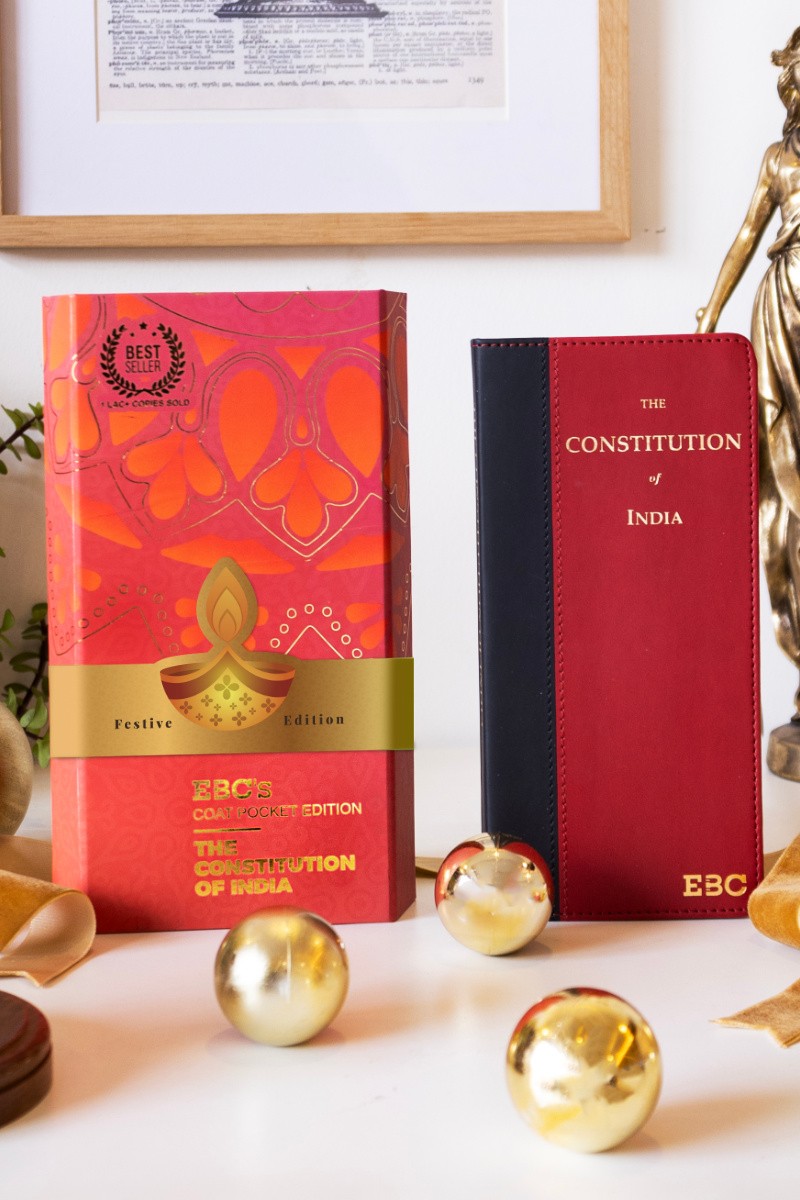
The Constitution of India (Coat Pocket Edition)
By Gopal Sankaranaraya...
rateing4
Click on TITLE to choose available options.
Civil Procedure (CPC) | With Limitation and Commercial Courts
By C K Takwani
rateing4
Click on TITLE to choose available options.
Supreme Court Cases (SCC) 2026 Annual Subscription
By EBC
rateing5
Click on TITLE to choose available options.
EBC Reader Platinum Edition - Annual Subscription Law eBooks
By EBC
rateing5
Click on TITLE to choose available options.
EBC's Combo of New Criminal Major Bare Acts
By EBC
rateing5
Click on TITLE to choose available options.
EBC's Combo of Commentaries on New Criminal Laws
By J K Verma
rateing5
Click on TITLE to choose available options.
Swamy Handbook For Central Government Staff (English) - 2026
By Muthuswamy, Brinda,...
rateing4
Rs. 600.00  Rs. 540.00