We use cookies to ensure you get the best user experience on our website.Find Out More
Mobile apps, web apps, any platform. One shake, click, or tap gets you video reproductions, network logs, and everything developers need to fix issues fast.
Installation
Bugs
Crashes
Sessions

































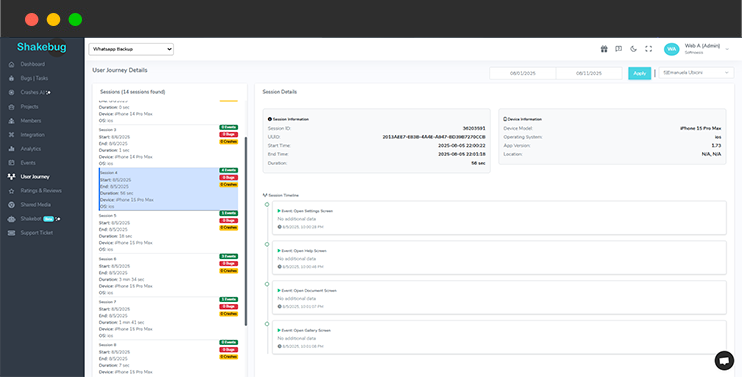
With Shakebug, you see bugs and the complete narrative. Get a clear timeline with our user journey, connecting sessions, events, bug reports, and crash data. See navigation, actions, and exact issue points. Fix issues faster and prioritize work with accurate, actionable insights in the same reporting and monitoring tool.
Wave goodbye to the hassle of sorting through countless identical crash reports. With Crash AI, our platform smartly organizes recurring crashes, presenting just one entry that includes all the essential details like the first occurrence, affected devices, OS versions, and much more.

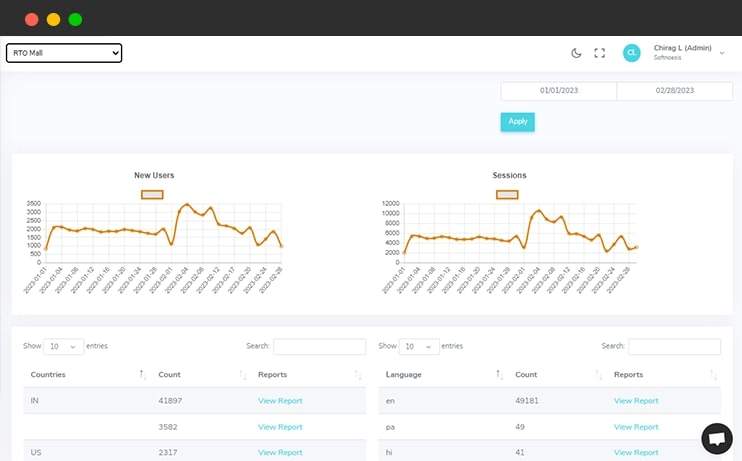
Along with bugs and crash reporting, Shakebug analyzes the application usage in different ways like session, language, countries etc. It also allows users to check analytics in the form of graphical representation over the selection period of time.
Developers/Users can add custom events and values for each action of the application easily where they want. In addition to this, users can also check the session of each event and value in graphical form as well.
Over 0 events tracked in action.
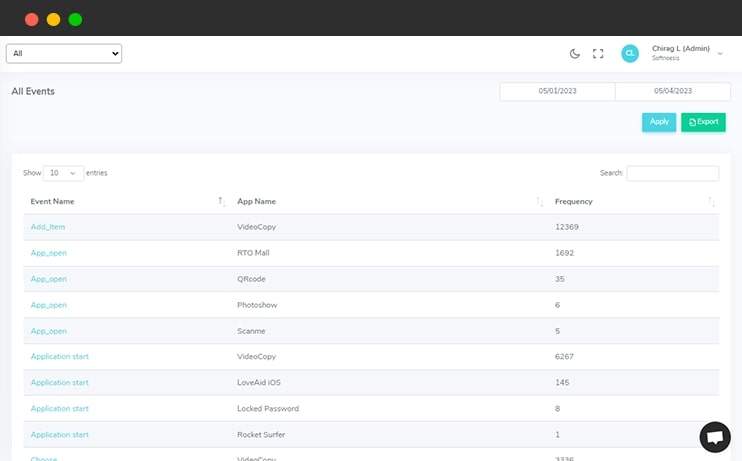
Shakebug helps users to highlight bugs by capturing the screenshot of the screen within a few clicks. This tool minimizes the bug reporting time for your tester and clients.
Shakebug will automatically report the crashes of applications whenever it occurs. Here users don't need to spend time for crash reporting.
| Feature | Reflect4 Proxy (assumed) | Nginx (as reverse proxy) | HAProxy | Squid (forward proxy) | |----------------|-----------------------------|----------------------------|-------------|------------------------| | Typical header | Server: made by reflect4 proxy | Server: nginx | No default Server | Server: squid | | Primary use | Internal reflection/caching | High-performance web serving | Load balancing | Caching forwarding proxy | | Open source? | Likely proprietary | Yes | Yes | Yes | | Reflects traffic | Yes (by design) | Yes (via mirror module) | Yes (via http-request mirror ) | No | | Version exposed | "4" (fourth gen) | Version number (e.g., 1.18) | Version seldom exposed | Yes (e.g., 4.15) |
In the evolving landscape of web development, network security, and data scraping, certain technical phrases emerge that pique the curiosity of developers and system administrators alike. One such phrase is "made by reflect4 proxy." While it is not a mainstream commercial product like Nginx or HAProxy, the term surfaces in specific technical forums, logs, and debugging outputs. Understanding what this means is crucial for anyone managing web servers, analyzing traffic patterns, or troubleshooting reverse proxy configurations.
proxy.listen(8080, () => console.log('Reflect4 proxy running on port 8080'); );
The "reflect4 proxy" may be a ghost in the machine for most, but for those who understand its language, it tells a story of network design, version control, and the unending need to manage traffic in a connected world. Have you encountered the "made by reflect4 proxy" header in your logs? Share your findings in technical forums—every obscure header has a story waiting to be documented.
const http = require('http'); const proxy = http.createServer((req, res) => // Reflect request headers back for debugging res.writeHead(200, 'Content-Type': 'text/plain', 'Server': 'made by reflect4 proxy', 'Via': '1.1 reflect4 (custom-test)' ); res.end( Request reflected by Reflect4 Proxy\nOriginal URL: $req.url ); );
When you send a request to this proxy, the response will contain the exact "made by reflect4 proxy" signature. This is useful for testing client-side proxy detection logic. The string "made by reflect4 proxy" is a digital fingerprint—it tells you that your HTTP traffic passed through an intermediary that is likely custom-built, possibly for traffic reflection or caching. It is not inherently malicious, but it warrants investigation.
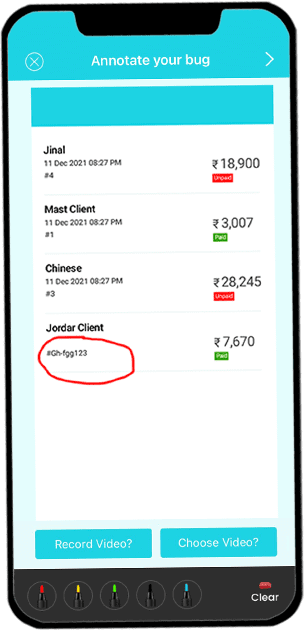
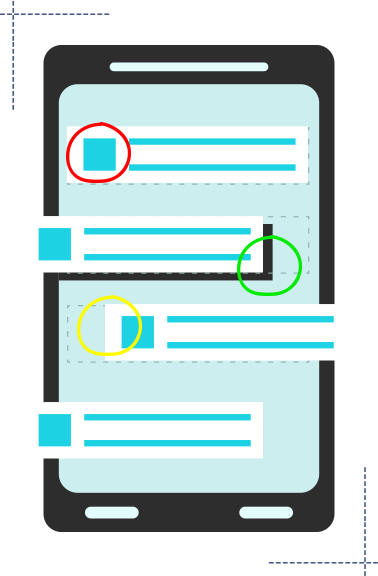
Open your application on your mobile phone and shake it. After that screen will appear where you can highlight the area of the bug.
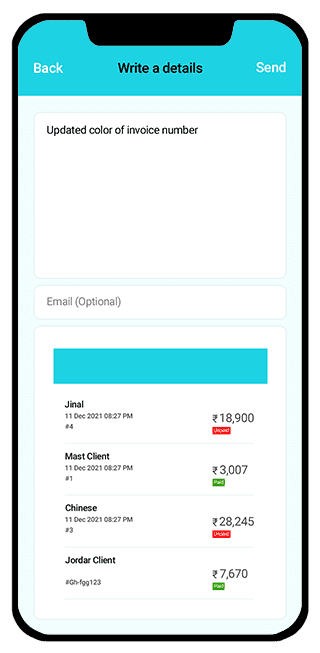
After highlighting the area, a screen will appear where the user can write a bug description which explains the details about bugs or issues.
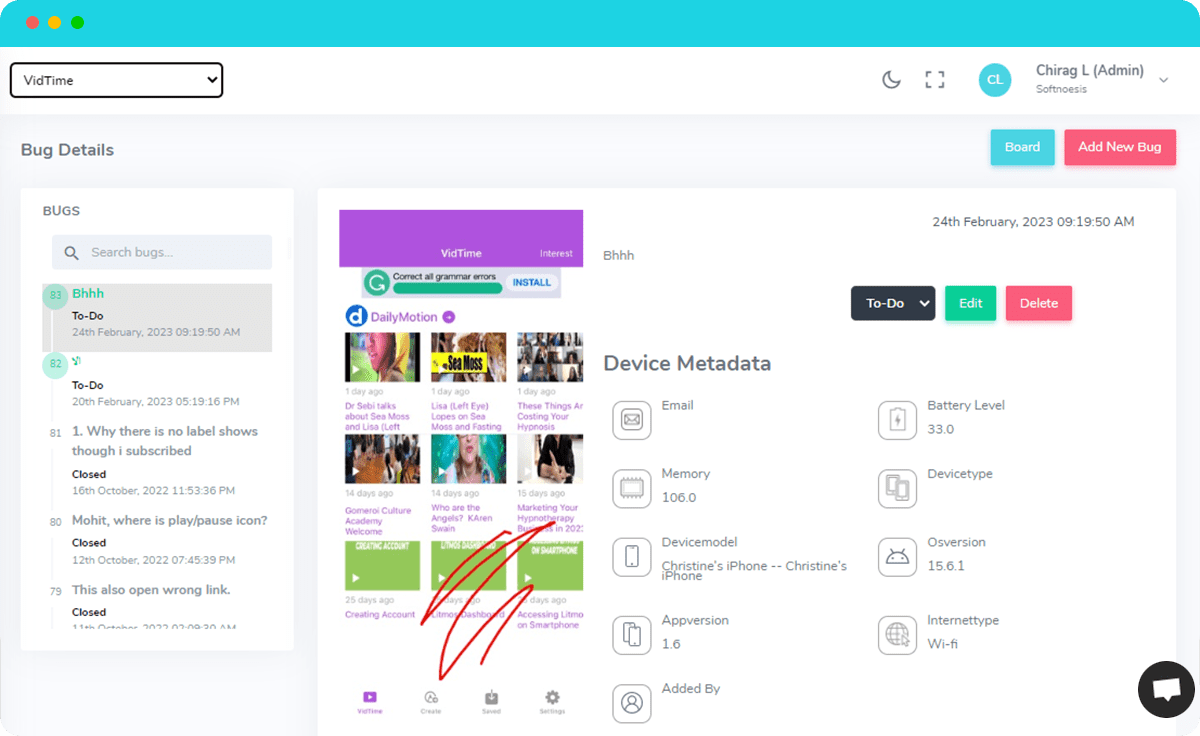
Once you report the bug, you will get the following screen with bug’s details along with device and OS information to your assigned developers. They can update its status when it is resolved.